There’s a moment every new turkey hunter experiences, whether they admit it our not. You wake up early, get into the woods in the dark, and settle in as the sun starts to rise. Everything feels right. This is what you pictured. But then the woods stay quiet. No gobbles. No movement. Just time passing and doubt creeping in.
Most people walk away from that experience thinking they just need better luck, a different spot, or maybe some new gear will set them on the right path. That assumption is what keeps a lot of new hunters stuck. Success in turkey hunting has very little to do with luck and almost nothing to do with how fancy your gear may be. It comes down to preparation, and more specifically, understanding.
It’s Not About Having More Gear
If you’re like me, researching and buying new gear in hopes to take my hunting game to the “next level” is a lot of fun. Particularly when you’re just setting out in turkey hunting, the natural instinct is to start buying things. Calls, camo, decoys, choke tubes. There is nothing wrong with having good equipment, but gear can create a false sense of readiness. You can look the part and still have no idea what’s actually happening in the turkey woods.
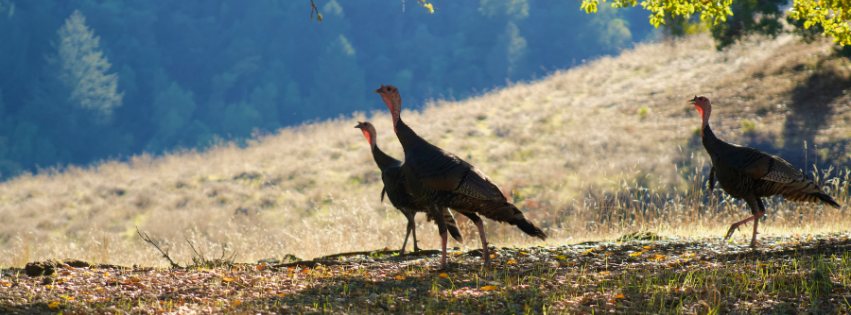
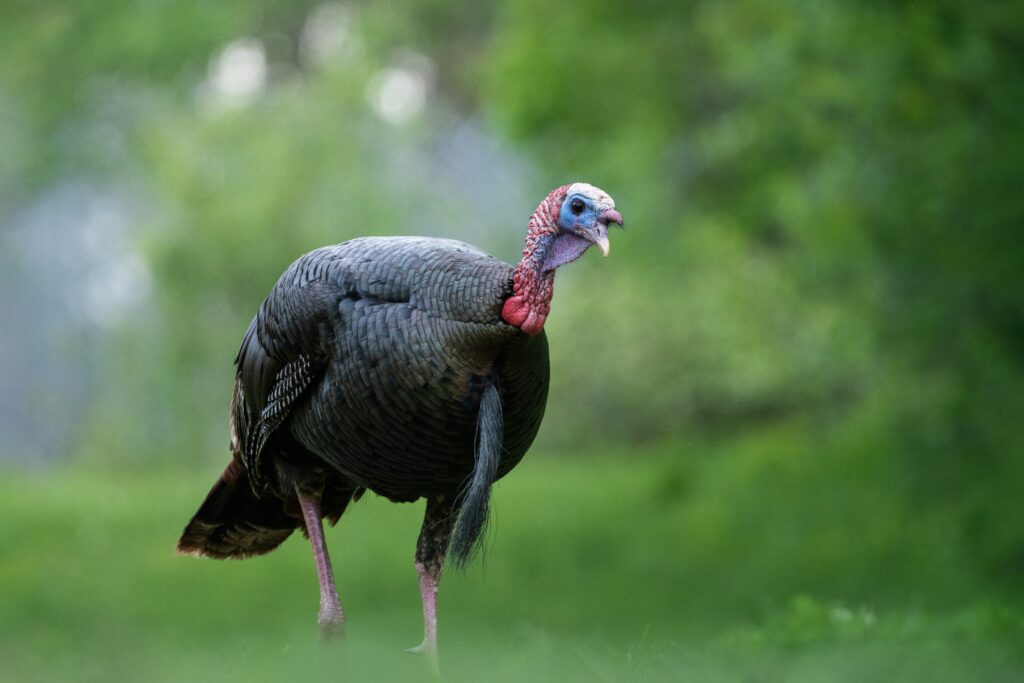
Turkeys are challenging because of how aware they are. Their eyesight is exceptional. Their hearing is rather sharp as well. They live their entire lives avoiding danger, and they are very good at it.
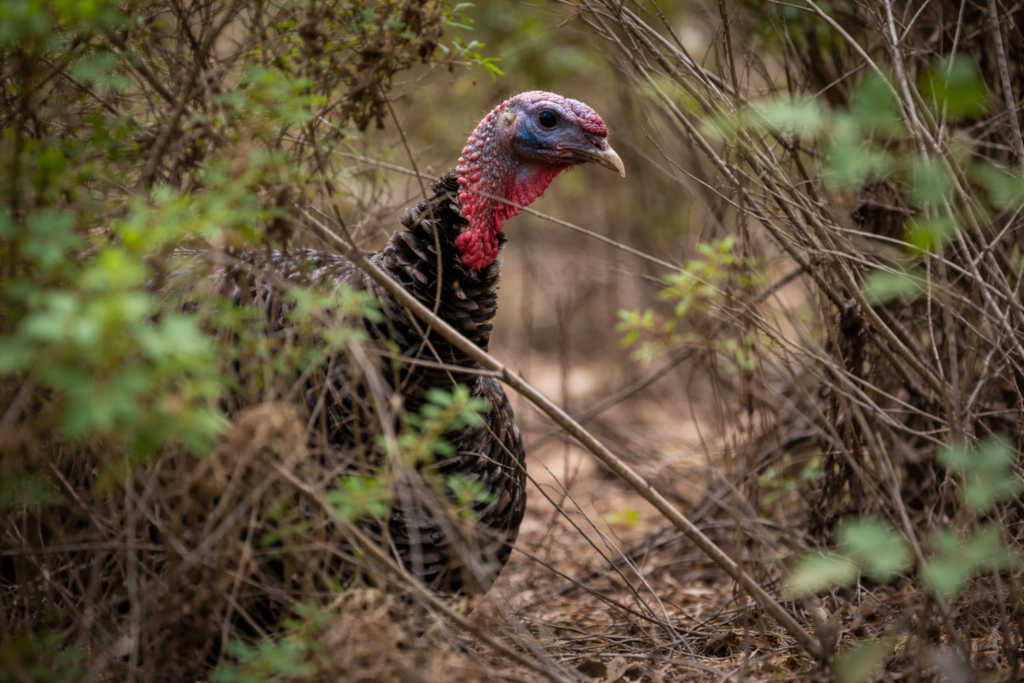
Sometimes you’ll hear someone say that “turkeys are smart”, well, they aren’t winning any awards for being brainiacs. But, what they do have are very good instincts and they act on them. If you don’t understand how they move, how the respond to pressure, and what they are trying to accomplish throughout the day, it doesn’t matter how good your setup looks. You’ll constantly feel like you’re one step behind.
Preparation starts by shifting your focus away from what you carry and toward what you understand.
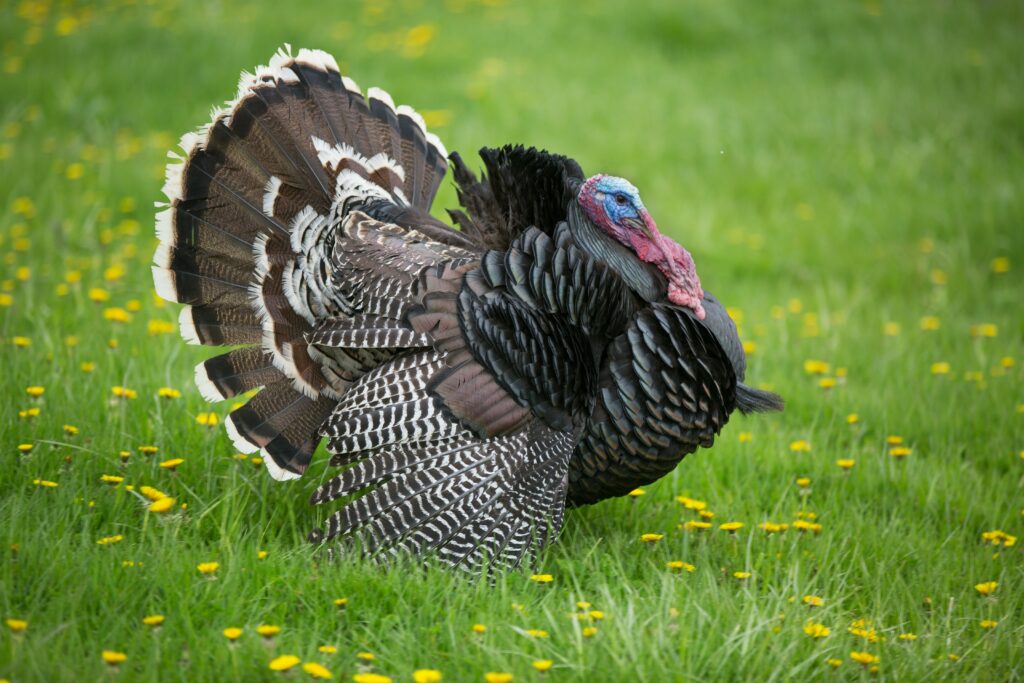
Learn How Turkeys Move Before Your First Hunt
One of the biggest differences between new hunters and experienced ones is how they interpret what they see and hear. Beginners tend to react. A gobble happens, and they move toward it. A bird goes quiet, and they assume it left. Every decision is based on what just happened.
More experienced hunters are thinking a step ahead. They are asking why. Why did that bird gobble there? Where is he likely to go after fly-down? What is he trying to accomplish right now?
Spring turkeys are driven by a few simple things: breeding, safety, and daily routine. Hens dictate a lot of movement early in the season. Pressure from other hunters can shift patterns quickly. Terrain funnels movement in predictable ways. When you start to understand those dynamics, the woods stop feeling random. You begin to see patterns, and that’s when your decisions start to improve.
Scouting Is About Building a Story
A lot of people treat scouting like a checklist. Find tracks. Look for droppings. Maybe hear a gobble at daylight. While those are useful, they don’t mean much on their own.
Effective scouting is about connecting those pieces into a story you can follow. If you find scratching along a ridge, ask yourself why it’s there. If you hear birds on the roost, pay attention to where they go after they fly down. If you bump a group mid-morning, think about where they were headed, not just where they were.
You’re not just trying to confirm that turkeys exist in an area. You’re trying to predict where they will be and when. That shift in thinking is what turns scouting from a casual walk into something that actually improves your hunt.
Your Setup Matters More Than Your Calling
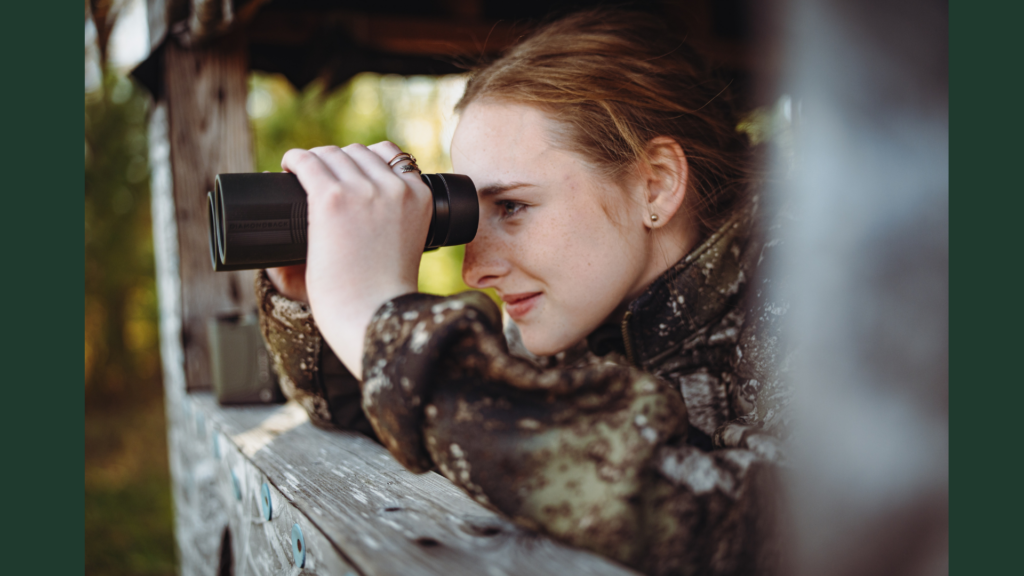
When most beginners think about turkey hunting, they focus on calling. That’s the exciting part. But in reality, your setup is often more important than the sounds you make.
Turkeys already have a destination in mind. They are moving through the landscape with purpose. Your job is to put yourself in a position where calling becomes the final nudge, not the main strategy.
That means thinking carefully about where you sit. You want to stay hidden while still having visibility. You want to avoid putting obstacles between you and the direction a bird is likely to approach from. You want to set up where a turkey already feels comfortable going, not somewhere that forces him to change his plan.
When your setup is right, calling becomes simple. When your setup is wrong, no amount of calling can fix it.
Calling Is a Conversation, Not a Performance
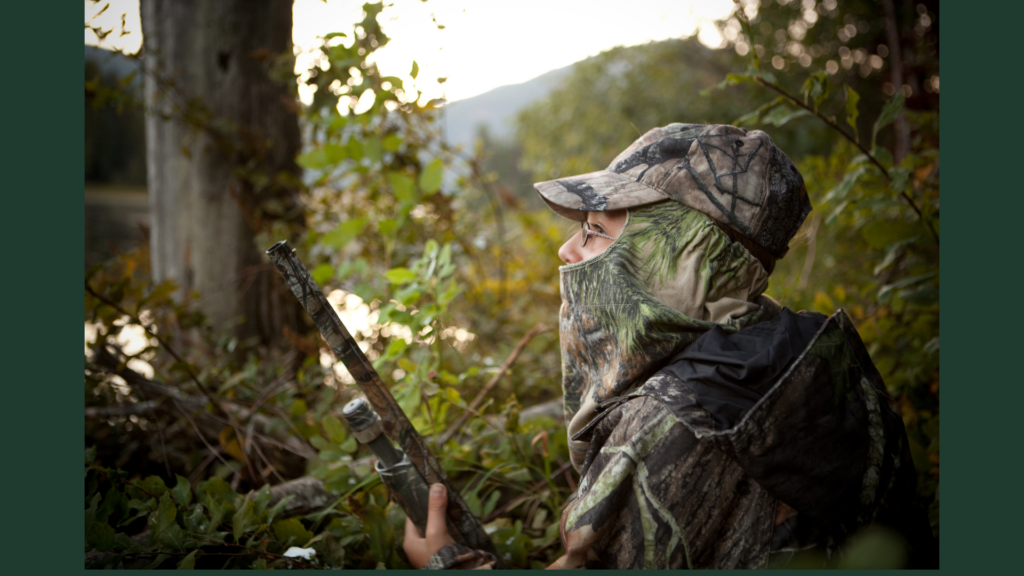
There’s a tendency, especially early on, to overdo calling. It’s easy to assume that more sound equals more attention. In reality, calling is less about volume or complexity and more about timing and intention.
A real hen doesn’t call nonstop. She communicates when it makes sense, then she moves or waits. When you approach calling the same way, it becomes much more effective. You’re not trying to impress a turkey. You’re trying to give him a reason to come closer.
Sometimes that means soft, minimal calling. Sometimes it means being completely silent after getting a response. The key is paying attention to how the bird is reacting and adjusting accordingly. That back-and-forth is what makes calling work.
Don’t Overlook What Happens After the Shot
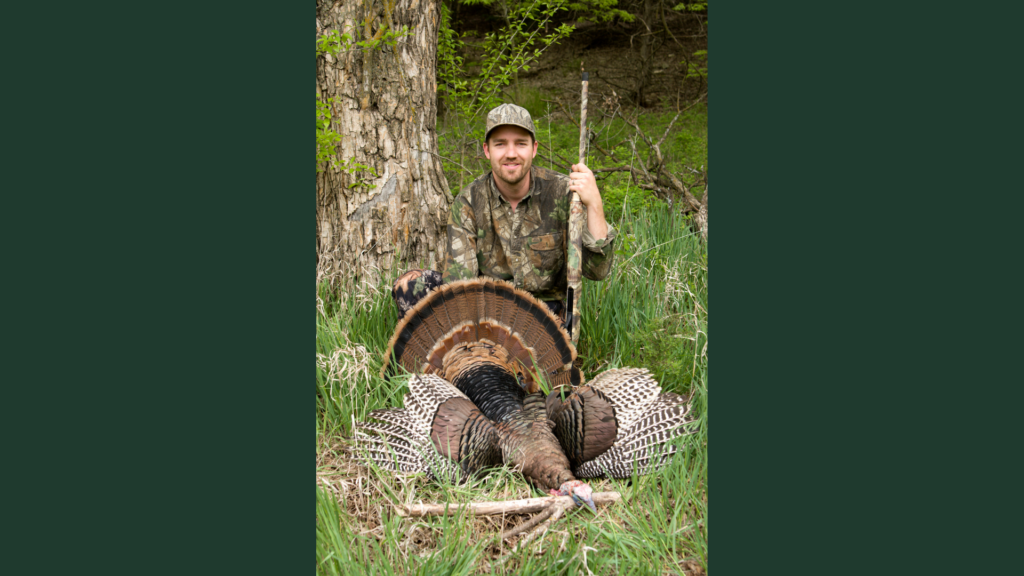
Sure, take all the “grip n’ grins” you want, you earned it (tastefully and respectfully, of course). But for many new hunters, one of the overlooked parts of preparation is what happens after you bag the bird. It’s easy to focus entirely on getting a bird within range, but that’s only part of the process.
You need to know how to approach a downed turkey safely, how to tag it according to your state’s regulations, and how to properly care for the meat. This is where hunting shifts from pursuit to responsibility. Being prepared for that moment is just as important as anything you do leading up to it.
You Can Learn This the Hard Way or the Smart Way
There’s no shortage of information out there. You can watch videos, read articles, and piece things together over time. Plenty of hunters have learned that way.
But there’s a cost to that approach. It usually shows up as wasted seasons, missed opportunities, and a lot of second-guessing. You’re left piecing bits of information together to make one clear idea of how to hunt turkeys. You get close, but not quite close enough. You hear birds, but can’t seal the deal.
The alternative is to start with a clear framework. To understand not just what to do, but why you’re doing it. That’s what shortens the learning curve and builds real confidence.
If You Want to Be Ready Before Opening Morning
That’s exactly why we created the Turkey Hunting Fundamentals Course. It is designed to take all of the guesswork out of getting started and replace it with a clear, structured approach.
The course walks through how turkeys behave, how to scout effectively, how to set up with intention, and how to call in a way that actually produces results. It also covers what happens after the shot, so you’re prepared for the entire experience, not just part of it.
The goal isn’t to overwhelm you with information. It’s to help you step into the woods with a plan and the confidence to execute it.
This course was created by the team at CertifiedHunter.com, the same folks that create hunter education courses mandated by states before you can buy your license, we know how to help new hunters. Your first successful turkey hunt isn’t going to come from luck. It comes from stacking the odds in your favor before the season ever opens.
If you take the time to prepare now, the woods start to make a lot more sense. When that first gobble echoes through the trees, you won’t just be hoping things work out. You’ll know what to do next.