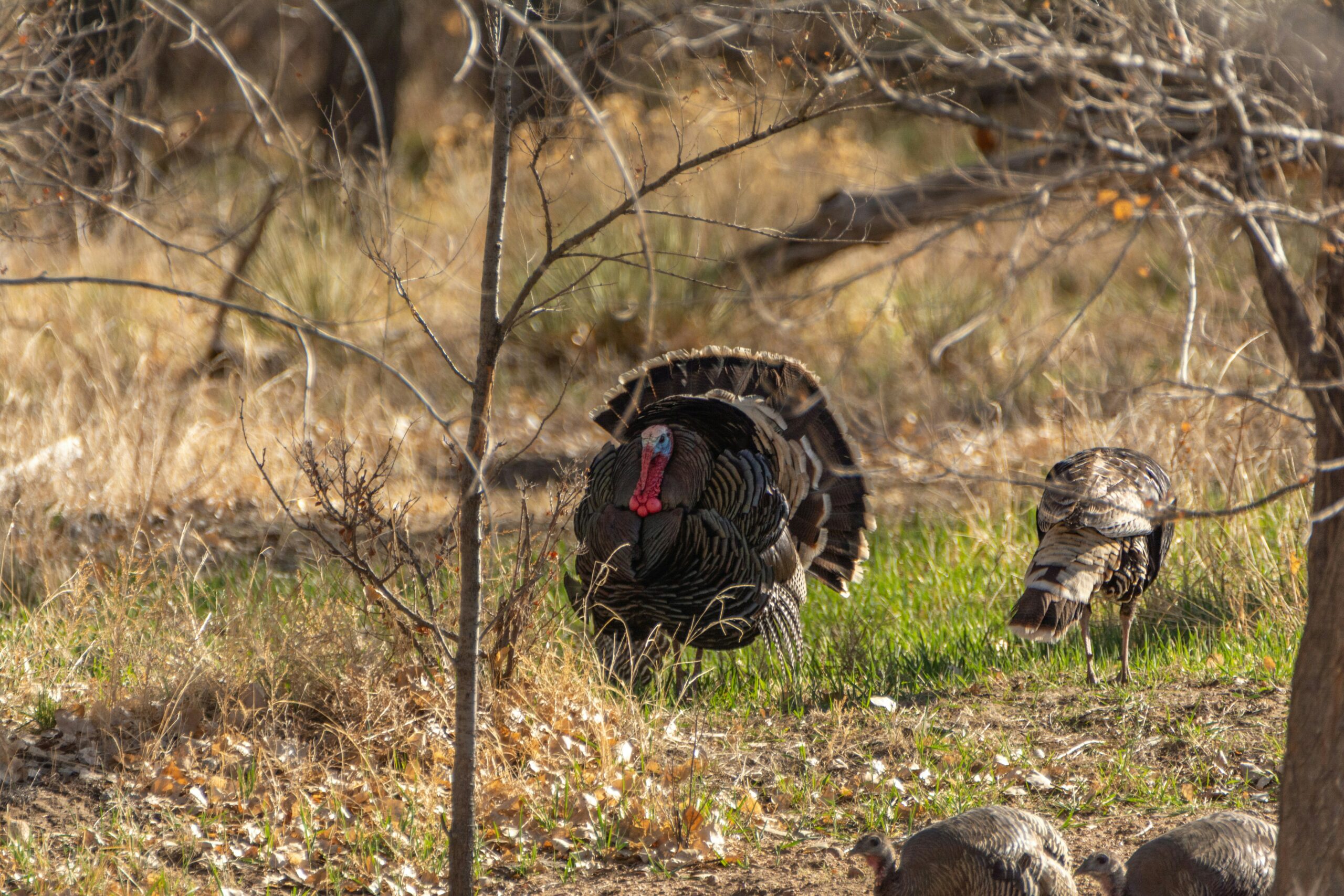

Spring turkey season is one of the most exciting times to be in the woods. The air is cool, the forest is alive, and the sound of a gobble cutting through the morning is hard to forget. If you’re a new hunter, preparation is what separates a memorable season from a frustrating one. Here’s how to get ready before that first bird sounds off.
Get your Gear and Safety Plan Dialed In
Start by getting your shotgun dialed in by determining the pattern. Patterning your shotgun means testing how your gun, choke, and ammunition perform together at different distances. You shoot at a large paper target—often with a turkey head outline—to see how evenly the pellets spread and where they hit. This helps you confirm two things: that your gun shoots where you aim, and that your chosen load delivers a dense, effective pattern at your intended hunting range. It’s the only way to know exactly how your setup will perform before you take a real shot in the field.
Pattern your shotgun with the specific load you plan to use so you know exactly how it performs at different ranges. A few shells spent at the range will save you a missed opportunity in the field.
Practice with your turkey calls well before the season. Whether you use a box call, slate, or diaphragm, calling takes rhythm and control that only comes with repetition.
Dress for concealment, not fashion. Choose camouflage that matches your terrain and make sure your movement is minimal when birds are close. Safety should always come first. Keep your firearm pointed in a safe direction, identify your target beyond doubt, and never stalk the sound of a turkey call.
Scout Early and Often
Turkeys are creatures of habit, but those habits can change quickly in spring. Start scouting weeks before the season opens. Listen at dawn and dusk to locate roost trees. Watch open fields or logging roads for signs like tracks, feathers, and droppings.
Identify feeding areas such as clover patches or fresh green shoots. Look for travel routes between roost and food. Keep a small notebook or use a phone app to track what you find. The more you know about bird movement, the more likely you are to be in the right place when it matters.
Set Up Smart and Call with Intention
Your setup can make or break a hunt. Arrive early and position yourself with good cover and a solid backdrop like a tree trunk. Face the direction you expect the turkeys to come from but avoid being right under the roost.
When calling, less is usually more. Begin with soft yelps or clucks. If a tom responds, stay patient. Many new hunters move too soon or call too often, which alerts wary birds. If you use decoys, one or two is plenty. Place them where the gobbler will have to walk past your shooting lane to reach them.
Build the Right Mindset
Every hunter misses chances or bumps birds. That is part of the learning curve. Success in turkey hunting comes from reflection and adaptation. Pay attention to what worked, what didn’t, and how the birds responded.
Remember that you’re not just out there for a harvest. You’re learning how to read the woods, understand wildlife, and develop patience. Those lessons carry forward into every future season.
Final Checklist Before Opening Day
- Shotgun cleaned and patterned
- Calls practiced and packed
- Camouflage and boots ready
- Scouting notes updated
- Permission and tags secured
- Alarm set for pre-dawn arrival
- Write down your hunt plan (where you’re hunting and when you’ll return) and leave it with a friend or family member.
Final Thoughts
Spring turkey hunting is a blend of skill, patience, and respect for the land. For new hunters, the goal should be progress, not perfection. Each morning in the woods teaches something new. With preparation and mindfulness, you’ll not only improve your chances of success but also find yourself part of something much bigger than the hunt itself.
Start your preparation early, stay patient, and enjoy the process. The first gobble of the season will be your reward for doing the work.
Remember!
You’ll need to have a hunter education certification card to purchase your license. Don’t wait until the last minute and lose out on hunting time because you’re working through your Hunter Education course. Click below to get started! CertifiedHunter.com is valid in all 50 states, Canada, and Mexico.