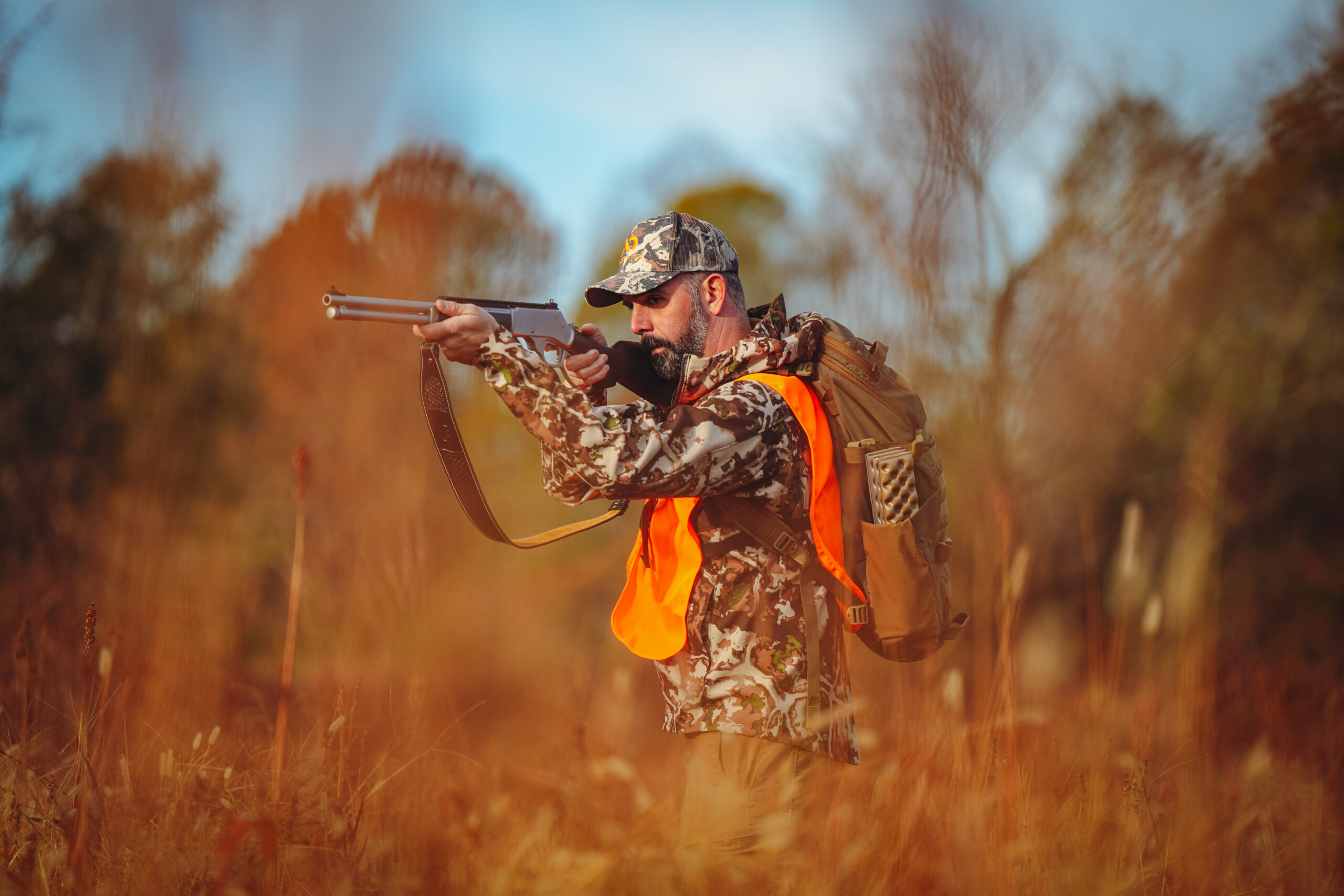
Deer hunting is one of the most popular ways to get started in hunting. For many new hunters, it feels like the natural first step. Deer are found across much of the United States, seasons are widely available, and the skills you learn while deer hunting can help you become a safer, more confident hunter overall.
Still, learning how to get started deer hunting can feel overwhelming at first. You may be wondering what license you need, what gear to buy, where you can hunt, how to find deer, and what to do after a successful harvest. The good news is that you do not need to figure it all out at once. Deer hunting is built one step at a time.
This beginner’s guide will walk you through the basics of getting started in deer hunting, including hunter education, licenses and regulations, essential gear, scouting, shot placement, safety, and what to expect during your first deer season.
Start with Hunter Education
The first step for most new deer hunters is completing a hunter education course. In many states, hunter education is required before you can buy a hunting license, especially if you were born after a certain date. Even when it is not required, it is still one of the smartest places to begin.
Hunter education teaches the foundation every new hunter needs. You will learn firearm safety, responsible hunting practices, basic wildlife conservation, survival skills, safe shot decisions, and the legal responsibilities that come with hunting. Before you worry about tree stands, trail cameras, rifles, bows, or camouflage, make sure you understand how to handle yourself safely and responsibly in the field.
Deer hunting is exciting, but it comes with real responsibility. A hunter education course helps you build the habits and knowledge you need before your first hunt.
Learn Your State’s Deer Hunting Regulations
After hunter education, the next step is learning your state’s deer hunting regulations. Every state has its own rules for deer season, licenses, tags, legal equipment, hunting hours, reporting requirements, and harvest limits.
Some states separate deer seasons by weapon type, such as archery season, firearm season, muzzleloader season, or special youth seasons. Other states have different rules by county, zone, wildlife management area, or public land unit. You may also see different rules for antlered deer and antlerless deer.
Before you hunt, make sure you understand:
Your state’s deer hunting season dates.
What license and deer tags you need.
What weapons are legal in your hunting area.
How many deer you are allowed to harvest.
Whether blaze orange is required.
What the legal hunting hours are.
How to tag, check, or report a harvested deer.
Regulations are not the glamorous part of deer hunting, but they matter. They help protect wildlife populations, keep hunters safe, and make sure hunting opportunities remain available in the future.
Choose the Right Deer Hunting Method
New hunters usually need to decide whether they want to start with firearm hunting, bowhunting, or muzzleloader hunting. Each method has its own advantages and challenges.
Many beginner deer hunters start with firearm season because it can be more approachable. A rifle or shotgun, where legal, gives hunters more effective range than a bow and may make the first season easier to manage. That does not mean firearm hunting is easy, but it often has a shorter learning curve than archery.
Bowhunting for deer can be extremely rewarding, but it usually requires more practice, closer shots, better understanding of deer movement, and more patience. If you want to start with a bow, be honest about the amount of practice it takes. Ethical bowhunting depends on knowing your equipment and your limits.
Muzzleloader hunting is another option in many states. It can provide additional hunting opportunities, but it also requires specific equipment, loading knowledge, and extra attention to safety.
There is no single best way to start deer hunting. The best method is the one that is legal where you hunt, fits your comfort level, and allows you to make safe, ethical decisions.
Buy Only the Deer Hunting Gear You Actually Need
One of the biggest mistakes beginner deer hunters make is thinking they need to buy everything at once. Deer hunting gear can get expensive quickly, but your first setup does not need to be complicated.
At a basic level, most new deer hunters need a hunting license and deer tag, a legal firearm or bow, ammunition or arrows, blaze orange if required, weather-appropriate clothing, sturdy boots, a sharp knife, a flashlight or headlamp, a way to navigate, and a plan for transporting and processing a deer.
You may also want binoculars, a backpack, a seat cushion, gloves, a rangefinder, or a basic first aid kit. If you are hunting from an elevated stand, you need a full-body safety harness and should understand tree stand safety before your hunt.
What you do not need is every gadget you see online. Trail cameras, scent-control products, expensive camouflage, high-end optics, heated gear, and advanced mapping tools can all be useful, but they are not required to begin. Start with the basics, learn what you actually need, and upgrade over time.
Good gear helps. Safe habits help more.
Find a Place to Hunt Deer
Finding a place to hunt is one of the biggest hurdles for new deer hunters. If you do not own land or know someone with private property, public land can be a great option.
Public hunting land may include state wildlife areas, national forests, wildlife management areas, public hunting areas, or other lands open to hunters. These areas can offer great opportunities, but they often require more scouting and patience. You may need to walk farther, avoid crowded access points, and learn how deer move when there is hunting pressure.
Private land can also be a good option if you have permission. Always get clear permission from the landowner before hunting. Make sure you understand where you are allowed to go, where you can park, what you may harvest, and whether anyone else will be hunting the property.
Whether you hunt public or private land, do not just show up on opening morning and hope for the best. Spend time learning the area before the season starts.
Learn How to Scout for Deer
Scouting is one of the most important deer hunting skills for beginners. Scouting means learning where deer live, feed, travel, and bed. Instead of guessing where deer might appear, you begin looking for clues that show how they use the landscape.
Beginner deer hunters should look for deer tracks, droppings, trails, bedding areas, rubs, scrapes, food sources, and natural travel corridors. Field edges, creek bottoms, ridgelines, saddles, thick cover, oak trees, and brushy areas can all be worth checking depending on your region.
The goal is not to become an expert overnight. The goal is to start asking better questions. Where are deer likely feeding? Where might they bed during the day? How are they moving between those areas? Where can I sit safely with a good view and a responsible shot opportunity?
The more time you spend scouting, the less random your hunt becomes.
Pay Attention to Wind Direction
Wind direction is a major part of deer hunting. Deer rely heavily on their sense of smell. If your scent is blowing directly toward the deer, they may leave the area before you ever see them.
Before choosing where to sit, check the wind direction. A good setup usually keeps you downwind or crosswind of where you expect deer to travel. You also need to think about your walk into the hunting area. If you spread your scent through a bedding area or across a trail deer are using, you may reduce your chances before the hunt even starts.
This is one of those lessons deer hunters often learn the hard way. The deer do not care how much you spent on camouflage. If they smell you, they usually win. Annoying, but fair.
Practice Before Deer Season
Before your first deer hunt, spend time practicing with your equipment. If you are using a firearm, go to the range and learn how it shoots. Know your effective range, understand your sights or scope, and practice from realistic positions when possible.
If you are bowhunting, practice regularly. Shoot from distances you may actually encounter while hunting. Practice with the same broadheads, clothing, and setup you plan to use during the season. If you will hunt from a tree stand, practice from an elevated position if you can do so safely.
Practice is not just about hitting the target once. Hunting adds pressure, cold weather, bulky clothing, uneven ground, and nerves. Responsible hunters know their limits and only take shots they can make ethically.
Understand Ethical Shot Placement
Shot placement is one of the most important things a beginner deer hunter can learn. The goal is a quick, clean, ethical harvest. For most deer hunters, that means aiming for the vital area that includes the heart and lungs.
Broadside and slightly quartering-away shots are generally the best opportunities. These angles give hunters a better chance of reaching the vital organs. Poor shot angles, long distances, running deer, or deer blocked by brush should usually be avoided.
Passing on a bad shot is not failure. It is part of ethical hunting. Every hunter wants a successful harvest, but the responsibility to make a clean shot matters more than forcing an opportunity.
Know What to Do After the Shot
New deer hunters often focus so much on getting to the shot that they forget to plan for what happens afterward. After you shoot, stay calm. Watch where the deer goes, listen carefully, and mark the last place you saw it. Depending on the shot, you may need to wait before tracking.
Once you recover the deer, you need to tag it according to your state’s rules. You may also need to report the harvest before moving it or within a certain time period. Then you need to field dress the deer, cool the meat, and transport it properly.
Before the season starts, decide whether you will process the deer yourself or take it to a processor. If you plan to use a processor, know where they are located, what their hours are, and whether they have specific drop-off requirements.
The harvest is not the end of the hunt. It is the point where your responsibility becomes even more important.
Find a Deer Hunting Mentor if You Can
A mentor can make getting started in deer hunting much easier. A good mentor can help you understand local regulations, choose gear, scout deer sign, pick a hunting location, and learn what to do after a harvest.
Not everyone has a family member or friend who hunts, and that is okay. Many new hunters today are starting without a traditional hunting background. Look for beginner hunting workshops, state wildlife agency programs, conservation organizations, local sportsmen’s clubs, shooting ranges, or hunter education instructors who may know about local opportunities.
When asking for help, be respectful and specific. Instead of asking someone to teach you everything, ask if they can help you understand one part of the process. Most experienced hunters are more willing to help when they see that you are serious, safe, and willing to learn.
Set Realistic Expectations for Your First Deer Season
Your first deer season may not end with a deer in the freezer. That does not mean it was a failure. You may learn how deer move through an area, how cold it feels to sit still for several hours, how to enter the woods quietly, or how much noise one squirrel can make while pretending to be a full-grown elk.
Every hunt teaches something. You may learn that your boots are not warm enough. You may learn that your stand location looked better on a map than it did in person. You may learn that deer came through 20 minutes after you left. These lessons are part of becoming a hunter.
The goal of your first season is not perfection. The goal is to be safe, legal, ethical, and observant. Success builds over time.
Why Deer Hunting Is Worth Learning
Deer hunting is about more than harvesting a deer. It teaches patience, preparation, awareness, and respect for wildlife. It helps you understand where food comes from and how conservation works. It gives you a reason to pay attention to the land in a deeper way.
As you learn to hunt deer, you start noticing details you may have missed before. Tracks in soft dirt. Acorns on the ground. Trails through thick cover. The way wind moves across a field. The difference between random woods and habitat.
That is one of the best parts of deer hunting. It changes how you see the outdoors.
Final Tips for Beginner Deer Hunters
If you are wondering how to get started deer hunting, keep it simple. Complete hunter education. Read your state’s regulations. Get the correct license and deer tag. Choose legal equipment. Practice before the season. Find a place to hunt. Scout the area. Pay attention to the wind. Make safe, ethical decisions. Ask for help when you need it.
No one starts as an expert. Every experienced deer hunter was once a beginner trying to figure out where to sit, what to bring, and whether every sound in the leaves was finally a deer.
Start with the basics, build your skills, and give yourself permission to learn as you go.
If you are ready to take the first step, CertifiedHunter.com offers an online hunter education course for students 17 and older. It is a simple way to build the safety knowledge and responsible hunting foundation you need before heading into the field.