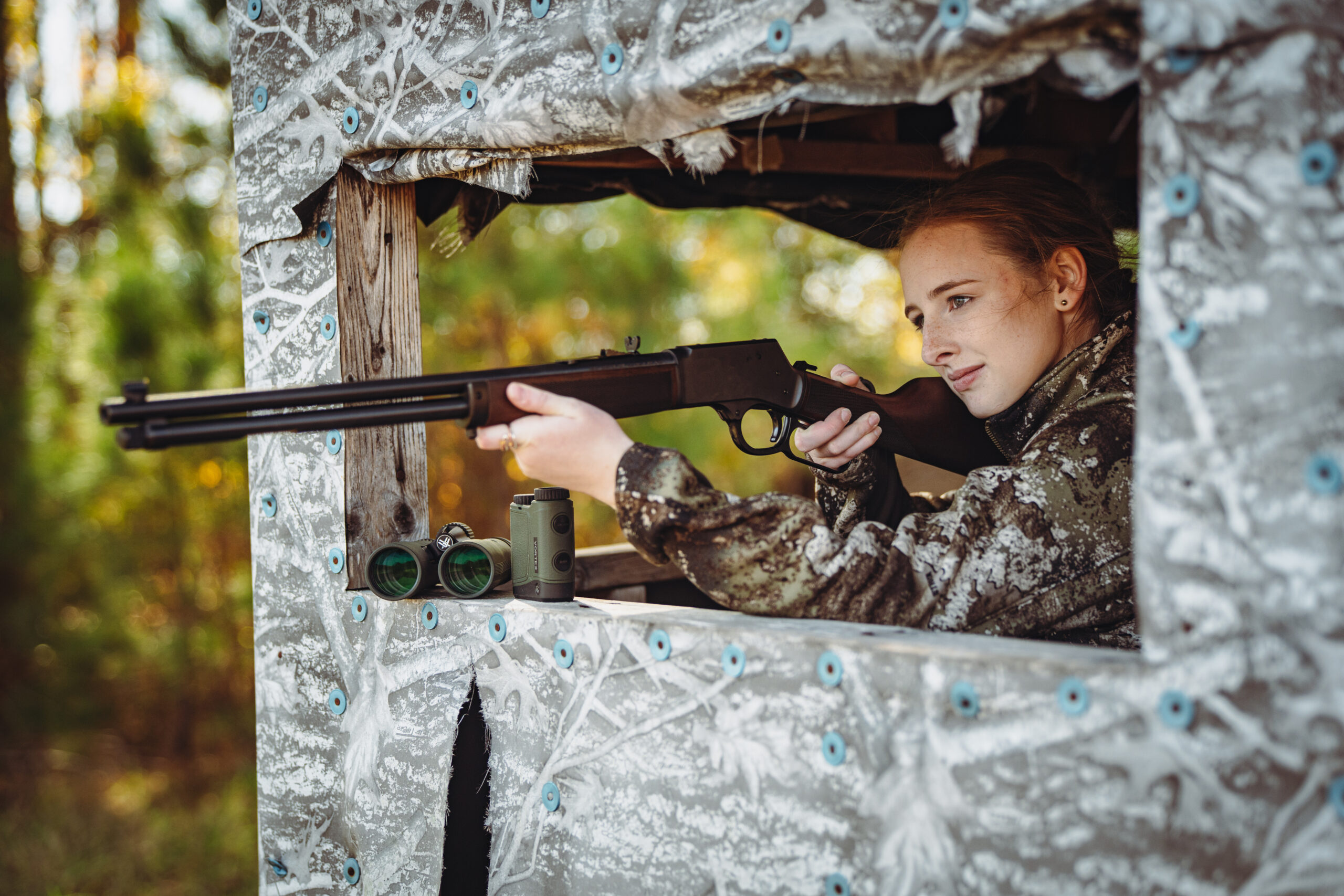
Ready to hunt in Florida?
Whether you are chasing whitetails in the Panhandle, spring gobblers, wild hogs, or waterfowl, one of the first things you need to figure out is your hunting license.
Florida’s licensing system is fairly simple once you know what you need. The important part is that a basic hunting license may only be the beginning. Depending on what, where, and how you plan to hunt, you may need additional permits.
And for many hunters, there is one step that comes before buying the license: hunter education.
Here is how the process works.
Step 1: Make Sure You Meet Florida’s Hunter Education Requirement
Before you buy your Florida hunting license, determine whether you need hunter education.
If you were born on or after June 1, 1975, Florida generally requires you to successfully complete an approved hunter safety course before purchasing a license that allows you to hunt with a firearm, muzzleloader, bow, or crossbow without supervision.
There are some exemptions and a hunter safety deferral option, but for most new hunters, completing hunter education is the best place to start.
Take Florida Hunter Education with CertifiedHunter.com
CertifiedHunter.com is an official Florida Fish and Wildlife Conservation Commission-approved hunter education provider.
The online course lets you complete the classroom portion of Florida hunter education at your own pace while learning about topics such as:
- Firearm safety
- Safe hunting practices
- Wildlife conservation
- Hunting ethics
- Hunting laws
- Responsible decision-making in the field
After completing the online portion, students complete Florida’s required certification process, including the applicable FWC field-day requirement.
Need Florida hunter education? Start with CertifiedHunter.com before buying your hunting license.
Step 2: Decide Which Florida Hunting License You Need
Once your hunter education requirement is taken care of, it is time to choose your hunting license.
Florida residents ages 16 through 64 generally need a hunting license unless they qualify for an exemption. Nonresidents age 16 and older generally need a Florida hunting license as well.
Your options depend on whether you are a Florida resident and how long you plan to hunt.
Florida Resident Hunting License
The standard annual Florida resident hunting license is the most common option for in-state hunters and provides the basic authorization needed to hunt in Florida, depending on the species and season.
Florida also offers a multi-year resident hunting license option for those who prefer to purchase their license less frequently and simplify renewals over time.
If you hunt regularly, Florida also offers combination licenses and Sportsman’s licenses that bundle hunting with additional licenses and permits, which can be a convenient option for active hunters who want broader coverage throughout the year.
Florida Nonresident Hunting License
Visiting Florida for a hunt?
Nonresidents have two primary basic hunting license options depending on how long you plan to stay and how often you expect to hunt in the state.
- An annual nonresident hunting license for those planning multiple trips or extended time in Florida
- A short-term nonresident hunting license designed for brief hunting trips
These options are available through Florida’s official Go Outdoors Florida licensing system.
Keep in mind that these are the basic hunting license options. Additional permits may still be required based on the species and season you plan to hunt.
Step 3: Add the Permits You Need
This is where new hunters sometimes get tripped up.
Buying a Florida hunting license does not necessarily give you everything you need for every hunt.
Depending on your plans, you may also need permits such as:
- Deer Permit
- Turkey Permit
- Archery Season Permit
- Crossbow Season Permit
- Muzzleloading Gun Season Permit
- Management Area Permit
- Florida Waterfowl Permit
- Migratory Bird Permit
- Federal Duck Stamp
For example, a Florida resident hunting deer during archery season may need a hunting license, deer permit, and archery season permit.
The exact combination depends on your hunt, so do not simply buy a basic hunting license and assume you are finished.
Step 4: Buy Your Florida Hunting License
Once you know what licenses and permits you need, Florida gives you several ways to purchase them.
You can buy a hunting license:
- Online through Go Outdoors Florida
- Through the Fish|Hunt FL mobile app
- In person from an authorized license agent
- At participating county tax collector offices
- By phone through Florida’s recreational licensing system
Go Outdoors Florida is the state’s official online hunting and fishing licensing system.
For most hunters, buying online or through the Fish|Hunt FL app is probably the easiest option.
The app can also store your licenses and provide access to hunting regulations and other useful information.
Step 5: Know Where You Are Going to Hunt
Having a license does not automatically give you access to hunting land.
If you are hunting private property, make sure you have permission from the landowner.
If you plan to hunt on Florida Wildlife Management Areas, or WMAs, you may need a Management Area Permit in addition to your hunting license.
Certain public-land hunts also require quota or limited-entry permits.
Those permits can be especially important because some hunts have specific application periods and limited availability. Florida manages these opportunities through the Go Outdoors Florida system.
If public-land hunting is part of your plan, research the specific WMA before the season begins.
Step 6: Check the Regulations for Game You Want to Hunt
Buying your license gets you legal permission to participate in hunting. It does not tell you all the rules for the specific hunt.
Before heading into the field, check Florida’s current regulations for:
- Season dates
- Bag limits
- Legal shooting hours
- Hunting zones
- Legal methods of take
- Antler restrictions
- Harvest reporting requirements
- WMA-specific regulations
- Permit requirements
Florida’s hunting regulations can vary by species, season, location, and hunting method. The FWC also notes that the Florida Wildlife Code is the final authority on state hunting regulations.
Checking the rules before every hunt is a good habit, even if you have hunted the same area for years.
Can an Out-of-State Hunter Use Their Hunter Education Certificate in Florida?
Yes.
Florida recognizes hunter safety cards and certificates issued for approved courses completed in other states. Out-of-state hunters still need to meet Florida’s licensing and permit requirements.
That reciprocity works both ways.
Completing an approved hunter education course gives you a certification that can follow you as your hunting experiences expand beyond your home state.
Start with Florida Hunter Education
Getting a Florida hunting license is not particularly difficult.
Becoming a hunter takes a little more.
If you were born on or after June 1, 1975, hunter education will likely be one of your first steps. Even if you qualify for an exemption, taking hunter education can still help build the foundation you need to hunt safely and responsibly.
CertifiedHunter.com is approved by the Florida Fish and Wildlife Conservation Commission and gives you a convenient way to complete the online portion of your Florida hunter education training.
Start your Florida Hunter Education Course today at CertifiedHunter.com.
Florida hunting licenses, fees, seasons, permits, and regulations can change. Always check the current Florida Fish and Wildlife Conservation Commission regulations and Go Outdoors Florida licensing system before hunting.