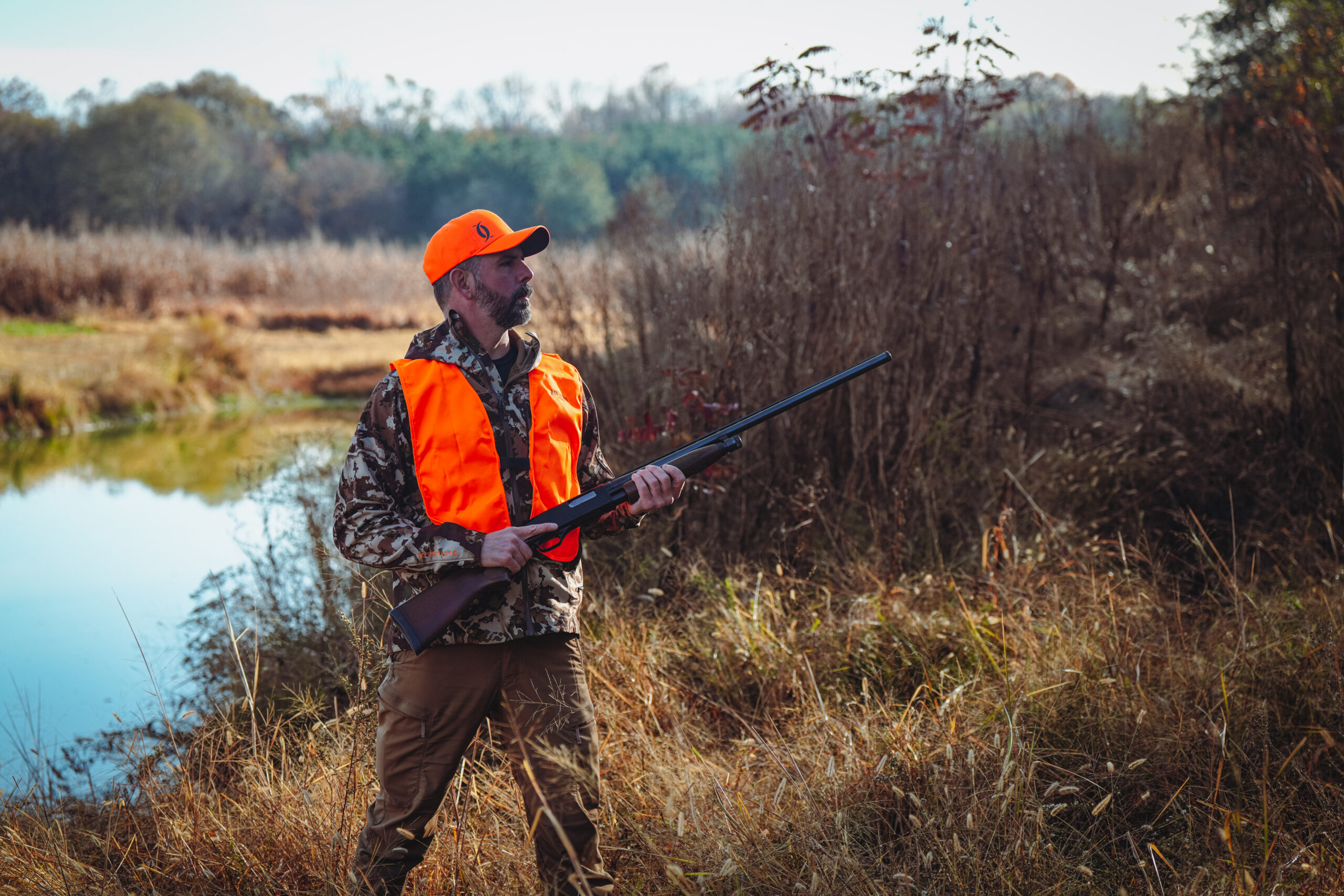
Starting Hunting as an adult can feel like walking into a room where everyone else already knows the rules. You are excited and ready to get outside, and then you hit a wall of information overload.
That is why Jae Ellison started The Evolving Hunter Podcast, and why his first guest was the person who taught him to hunt. Ryan Orgitano, Jae’s hunting mentor, was a student at the college where Jae worked. In Episode 1, Ryan shares what he learned growing up in a hunting family in Pennsylvania.
CertifiedHunter is a proud sponsor of The Evolving Hunter Podcast.
1. The wall every new hunter hits is real
Jae did not grow up hunting. He started when he was approaching 30, and he remembers what it felt like to be overwhelmed and to not know what gear actually matters.
Ryan grew up with a dad, three uncles, and a grandfather who all hunted, and he got his first squirrel at 11 on his uncle’s 80 acre farm. But even with that head start, Ryan says the learning never stops. The best hunters he knows are not the loudest. They are the ones who keep improving.
2. Find a mentor, or be one
Ryan did not set out to become a mentor. He commuted to college and could lend anyone anything they wanted to be outdoors. From freshman year on, classmates who wanted to go hunting or fishing went with him. That is how Jae ended up hunting with him.
When Ryan was young, his dad helped him drag deer out of the woods. Now his dad is 60, Ryan is 30, and Ryan is the one helping his dad drag deer. If you do not have a Ryan in your life yet, start at your state agency’s hunter education course or a local club. If you are the experienced hunter reading this, taking someone new out is not a burden on your season.
3. Keep your expectations in check
Ask Ryan what the biggest challenge is in taking out a new hunter, and he does not talk about gear or shooting. He talks about expectations. A first timer does not know the etiquette of the woods yet. Your outdoor voice should be lower than your indoor voice out there. A first outing should last a couple of hours, not a whole day. Let a new hunter have their own experience. Ryan learned this the hard way: a classmate from Baltimore who startled a bear on his first bowhunt ran back to the car and never went hunting again.
The same rule applies to your own expectations. Jae and Ryan hunted together plenty of times in college and never harvested anything. If your first season ends without an animal, you did not fail. You went hunting.
4. Skip the gear trap
The hunting media will tell you to buy the best of everything. Ryan’s advice is the opposite. His warmest jacket is a ski jacket he bought on eBay. His warmest bibs cost 25 dollars at a yard sale. He hikes steep Pennsylvania mountains in sturdy boots, not 600 dollar boots, and they work just fine.
Start with what works and upgrade when your experience tells you to.
5. Go find the animals, and scout for free
Ryan’s biggest lesson came during COVID, when a free week and a closed turkey season in Pennsylvania sent him to West Virginia. He picked a spot on the map, hiked, and was in turkeys all week. It was his first ever out of state hunt. He came back asking why he did not branch out more on the public land near home, by his estimate about half a million acres within an hour and a half. His rule is simple: you cannot wish an animal to where you are. You have to go find them.
Scouting costs nothing but gas and a hike. In January through early April, walk the area you want to hunt and read the sign the season left behind: rubs, trails, and bedding areas. Put your phone away. Find a deer bed, then walk as a deer would, following the path of least resistance. Sometimes you come to a crossroads of four or five deer trails, and you know you have found a great spot. Ryan’s biggest buck came from a setup about 150 yards from a logging road.
6. Build good habits from day one
Starting late has one big advantage: you have no bad habits yet. Ryan started young, and a few years ago he had to completely reprogram how he shoots his bow because he could not stop jerking the trigger on his release.
Two habits matter most. First, know your firearm or your bow inside and out. Spend real time at the range until handling it is second nature. When the moment comes, your habits are what carry you, not your plans. If you are not sure about a shot, do not take it. That is the Safe, Legal, Responsible standard. Second, have a plan for what happens after the harvest before you go out. A processor can cost over a hundred dollars now, so know whether you will use one or process the animal at home.
7. What keeps a hunter coming back
Ask Ryan what keeps him hunting season after season, and he does not talk about antlers. He talks about peace. Being in the woods or on the water is the most peaceful time in his life. Losing service for a day in November, in his words, purifies his soul.
He also looks forward to the day his kids harvest their first animal. His hope for the next generation is simple: that public land does not go anywhere, and that there are enough hunters to keep a seat at the table.
Start with the right foundation
Ryan grew up in a hunting family. Jae started at 30 with a mentor and a lot of questions. Both are still learning.
Before you buy gear or plan a hunt, get the foundation right. Hunter education teaches firearm safety, ethical decision making, and wildlife conservation, so you show up prepared, confident, and safe when the season opens.
Hunter education is where all hunters have to start. It is required in most states before you’re able to purchase a hunting license. Take your hunter education course with CertifiedHunter. The course is online, at your own pace, and you earn a certificate accepted in every state that requires hunter education.
Then find a mentor, keep your first outings short, start with the gear you have, and go for a walk in the woods. The learning starts there.
Frequently asked questions
Do I need a hunting mentor to start hunting as an adult?
You do not need one, but it helps more than almost anything else. If you do not know a hunter, try your state agency’s hunter education course.
How much gear do I really need for my first season?
Less than the ads suggest. Warm layers, sturdy boots, a legal firearm or bow you know well, and your license and certificate cover it.
What is the biggest mistake new hunters make?
Buying top of the line everything before knowing what they need, and expecting success on a schedule.
How do I learn to scout public land?
Walk it in the off season. In late winter and early spring, hike the area and look for rubs, trails, and bedding areas. Put the phone away and follow the path of least resistance.
What should I do before my first hunt?
Finish hunter education, know your firearm or bow from range time, and make a plan for processing any animal you harvest.