Ask a group of new hunters what confuses them most, and shot placement is near the top of the list. Pictures of deer with a red circle on the side make it look simple. Then a real animal steps out at an angle, half behind a tree, with your heart pounding, and that circle is nowhere to be found. This guide shows you what is actually inside a deer and a black bear, where to aim, which shots to pass on, and why getting it right is the most important ethical decision you make in the field.
Why shot placement matters so much
Every hunter’s first obligation to the animal is a quick, clean kill: the animal dies as fast as possible with as little suffering as possible. Hunter education teaches that before any shot you should be able to answer yes to three questions: Is it safe? Is it legal? Is it ethical? Shot placement is where the ethical question is decided. A well-placed shot means a short tracking job, good meat, and an animal treated with respect. A poor one can mean a long, painful death and an animal that is never recovered.
Explore the diagram
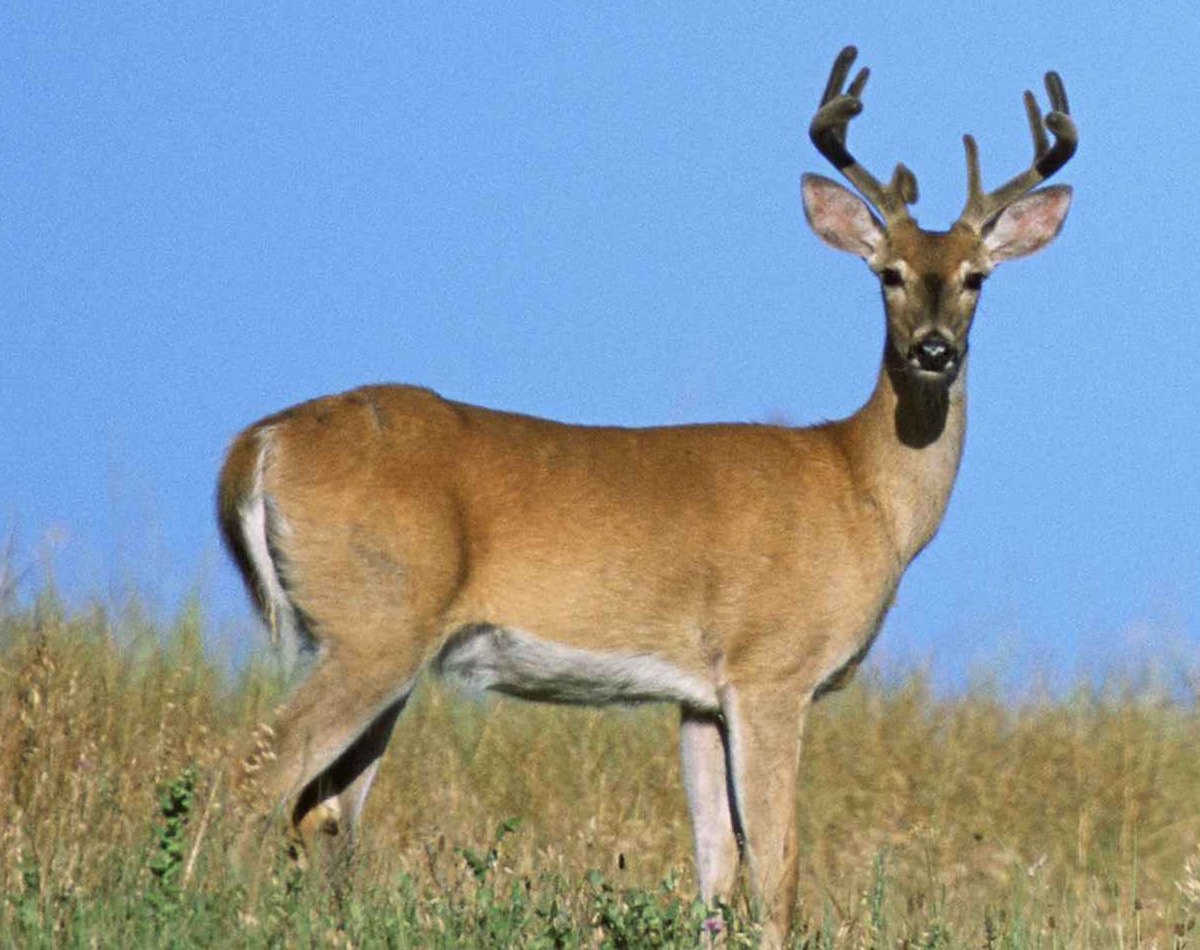
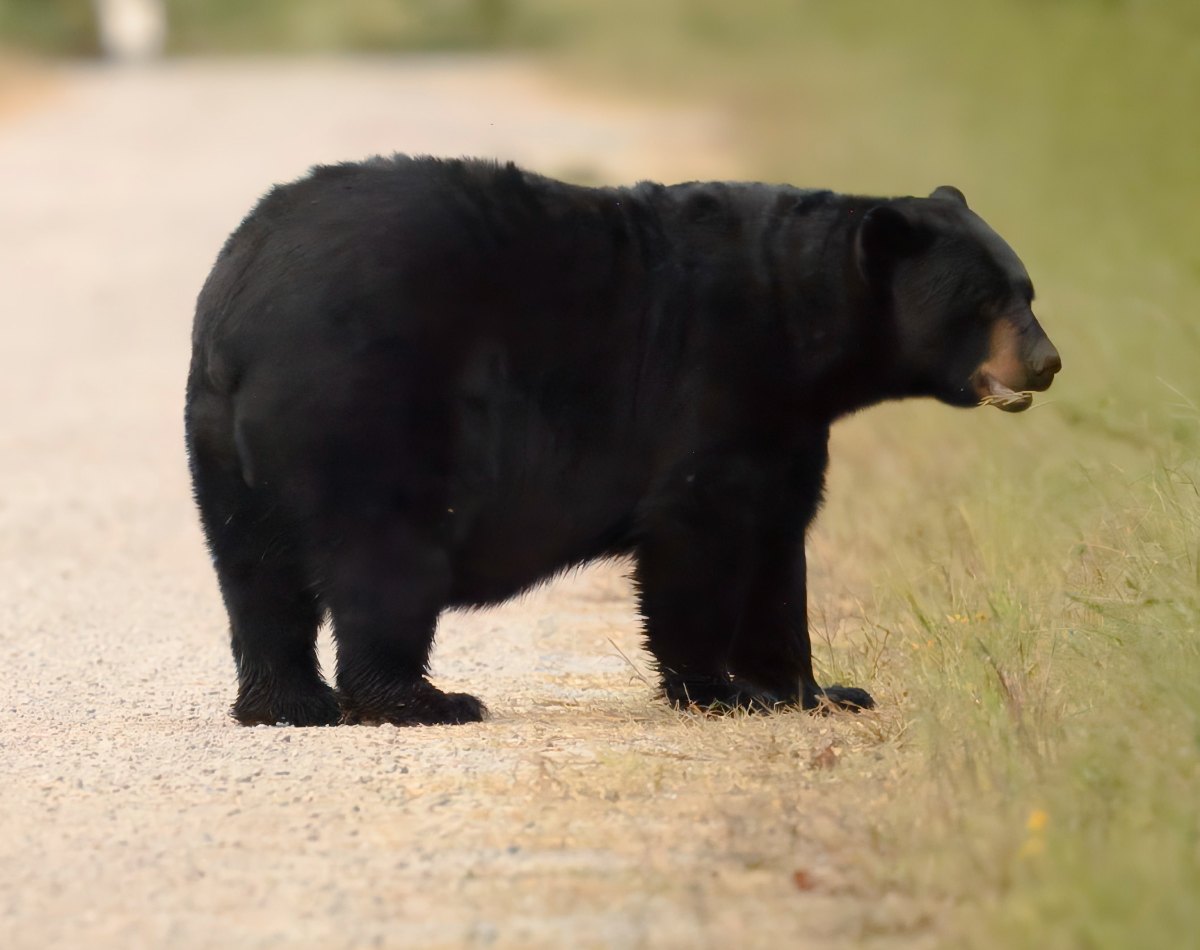
Choose deer or bear, then tap any part of the photo. The explanation appears right beside it: what is there, whether it is a good shot, and what to do if your shot lands there. Use the Organs and Bones buttons to show or hide each layer. The orange crosshair marks the recommended aim point on a broadside animal.
Interactive Shot Placement Guide
 Tap any part of the body
Shot angles: when to shoot and when to wait
Organ and bone positions are simplified and approximate; every animal and angle differs. Deer photo: Ryan Hagerty, U.S. Fish and Wildlife Service (public domain). Bear photo: lwolfartist, CC BY 2.0, cropped, with overlay added.
The heart-lung zone: your aim point
For both deer and bear, the recommended target is the heart-lung area in the chest. It is the largest vital target on the animal, and a hit there causes the lungs to collapse and rapid blood loss. As the Alaska Department of Fish and Game puts it, the heart-lung vital zone is the recommended shot placement for a humane and quick kill.
On a deer
- The heart sits low in the chest, in line with the front leg, just above the bottom of the chest.
- The lungs fill most of the chest above and behind the heart, all the way up to the backbone. The backbone runs well below the top of the back, not along it. The front of the lungs is tucked behind the shoulder blade.
- The liver sits right behind the lungs, just past the diaphragm, with the stomach and intestines behind it.
- Where to aim: on a broadside deer, follow the back edge of the front leg up about one-third of the way into the body. A little high still hits lungs; a little low still hits the heart.
On a black bear
- The fur fools you. Long, heavy hair makes a bear look deeper in the chest than it actually is, so many hunters aim too low or too far forward and hit heavy shoulder bone.
- The shoulder sits farther forward than on a deer, and bears have heavier bone and hide than most other big game.
- Where to aim: aim for the middle of the bear: halfway between the top of the back and the bottom of the belly, and just forward of the middle of the body. That sends the shot through both lungs, which sit a little farther back on a bear than on a deer. Wait for the near front leg to step forward, which opens up the chest.
- Expect less blood. Fat and long hair can soak up blood, so bear blood trails are often sparse. A shot that passes completely through helps.
These bear guidelines draw on experienced bear hunters and the International Bowhunter Education Program’s bear shot placement guide and bowhunter education materials used across the country.
Angles: when to shoot and when to wait
The angle of the animal changes everything. Organs do not move, but what stands between you and them does. As a new hunter, the simplest rule is this: take broadside shots, and wait for everything else to turn into one.
- Broadside is the best shot for bow and firearm alike.
- Quartering away can be a good shot if the angle is slight. Aim so the shot exits through the opposite front leg. The sharper the angle, the closer you get to a gut shot.
- Quartering toward and head-on shots put bone between you and the vitals. Bowhunters should never take them, and new firearm hunters should wait.
- Straight away shots expose no vital organs. Never take them with any firearm or bow.
- From a treestand, the steep angle shrinks the target. Think about where you want the shot to exit, low on the far side of the chest, and keep shots close.
The ethics behind every shot
Shot placement is not only about anatomy. It is about the choices you make before you pull the trigger or release an arrow, and the responsibility you carry afterward.
Know your limits, and practice to them
Your ethical range is the distance at which you can consistently put every shot in the vital zone, not the farthest distance your firearm or bow can reach. Practice at the distances and angles you expect to hunt, from the same height as your stand, and in the clothes you will wear. If you cannot hit the vitals every time at a distance, do not shoot at that distance.
Only take shots you are sure of
- Be absolutely certain of your target and of what is in front of and beyond it.
- Wait for an animal that is standing still and clear of brush, limbs, and other animals.
- Never shoot at a sound, a shape, or movement.
- Never shoot at an animal you cannot clearly see well enough to place your shot.
Passing is part of hunting
Some of the most important decisions a hunter makes are the shots they do not take. Letting a deer walk because it is quartering hard toward you, or because a branch is in the way, is not a failure. It is the mark of a responsible hunter. Do not let excitement, a short season, or pressure from friends talk you into a shot you are not sure of.
Your duty after the shot
Once you shoot, you are responsible for making every reasonable effort to recover the animal. Watch it as long as you can, mark where it was standing and where you last saw it, and look for blood, hair, and tracks. Give the animal the right amount of time before you follow up, ask for help, and keep searching until every reasonable effort has been made. Make sure you know your state’s rules for tracking wounded game before the season.
Respect the animal
A clean shot also means better meat, because less of the animal is damaged and contaminated. Taking the time to learn anatomy, practice, and wait for the right shot is how hunters honor the animals they take.
After the shot: reading the signs
How an animal reacts and what you find on the ground can tell you where you hit and how long to wait:
- Bright red, frothy, or pink blood usually means a lung hit. With a firearm, wait a few minutes; with a bow, wait 15 to 30 minutes.
- Darker red blood often points to the liver. Back out quietly and wait several hours.
- Dark blood with green or brown material, or a deer that hunches up as it leaves, means a gut shot. Wait 10 to 12 hours before tracking.
- Hair and bone with little blood often means a leg or low hit. Begin tracking right away and be ready for a follow-up shot.
These wait times for deer follow guidance from the National Deer Association. When in doubt, wait longer. Pushing a wounded animal too soon is one of the most common reasons animals are lost. With bears, plan for sparse blood and give the bear time after any shot you are not sure of.
Practice that builds good shot placement
- Use a 3D target or a life-size target that shows the vital organs, and practice from different angles.
- Sight in your firearm or tune your bow before the season, and confirm it again before your first hunt.
- Practice from an elevated position if you will hunt from a treestand.
- Learn to estimate distance, or use a rangefinder, so you know exactly how far the animal is.
- Study photos of deer and bears at different angles and picture where the heart and lungs are in each one.
If you are just getting started, our beginner’s guide to deer hunting covers the basics from scouting to the shot, and our opening day checklist helps you pack everything you need for a recovery, from a knife to flagging tape.
Questions new hunters ask about shot placement
Should I aim for the heart or the lungs?
Aim for the heart-lung area as a whole. On a broadside animal, aiming about one-third of the way up the body, in line with the front leg, gives you the best chance at both lungs, the heart, or both. Trying to pick out the heart alone shrinks your target.
Is a neck shot or head shot more humane?
No. The vital parts of the head and neck are small, and deer and bears move them constantly. A miss by a few inches can break a jaw or hit only muscle, leaving a badly wounded animal. Stick to the chest.
What if the animal is quartering toward me?
Wait. Bowhunters should never take this shot, because shoulder and leg bones protect the vitals. New firearm hunters should also wait for the animal to turn broadside or quartering away.
Why do so many hunters miss low on bears?
Because a bear’s long hair, especially on the belly and chest, makes the body look deeper than it is. Picture the body inside the fur, and aim about halfway between the top of the back and the bottom of the belly.
What should I do if I think I made a bad shot?
Stay calm and stay put. Mark where the animal was and where you last saw it, then back out quietly and give it time. A wounded animal that is not pushed will often bed down nearby. Get help, and do not give up until every reasonable effort has been made.
Does hunter education cover shot placement?
Yes. Hunter education covers vital areas, shot angles, hunter ethics, and recovering game, along with firearm safety and the laws that apply where you hunt.
Learn it before you need it
The moment of the shot happens fast. The hunters who make good decisions in that moment are the ones who learned anatomy, practiced, and decided ahead of time which shots they would take and which they would pass on. Hunter education is where that foundation starts.