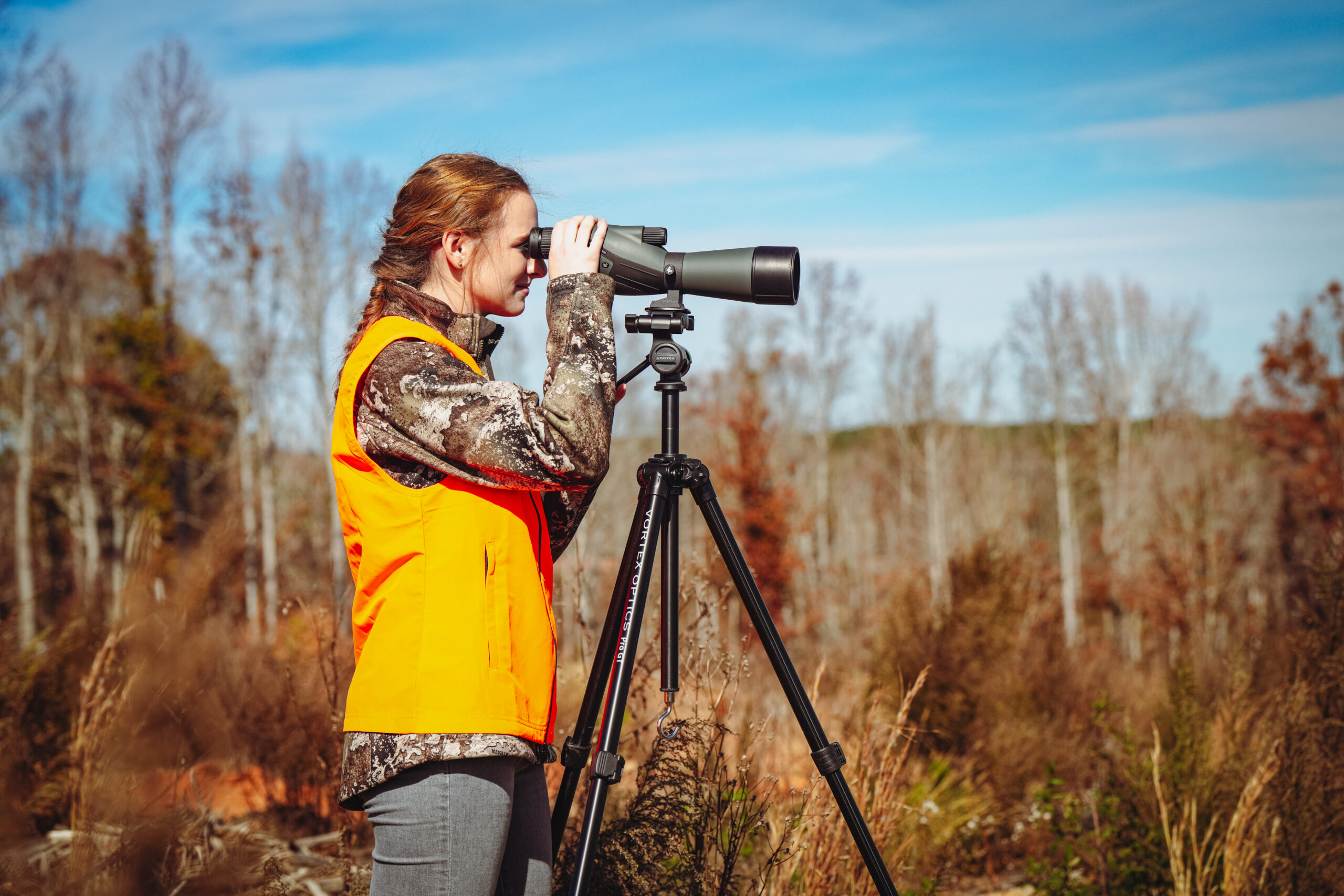
Opening morning of deer season starts hours before sunrise, usually in the dark, usually in a hurry. The hunters who enjoy it most are the ones who packed the night before and did not leave their license, their headlamp, or their safety harness on the kitchen counter. Use the interactive checklist below to pack, then read on for why each item matters and what to know about blaze orange rules.
How to use this checklist
- Tap an item as it goes into your pack or truck. Your progress saves in this browser, so you can pack over a few evenings.
- Choose how you are hunting. Treestand hunters get harness and lifeline items; ground and blind hunters get a seat instead.
- Print it if you would rather check items off with a pen.
Opening Day Deer Gear Checklist
0 of 0 packedTap each item as it goes in your pack or truck.
Licenses and paperwork
Safety
Firearm and optics
Clothing and layers
Field dressing and recovery
Comfort for a long sit
Your checks are saved in this browser on this device, so you can pack over a few evenings.
Licenses and paperwork come first
Gear will not matter if you are not legal to hunt. Before opening day, buy your hunting license and any deer permit or tags your state requires, and make sure you have finished hunter education if your state requires it. Some states also require you to carry your hunter education card along with your license whenever you hunt.
Know how your state wants you to record and report a harvested deer before you pull the trigger. Most states use some combination of tagging the deer in the field and checking it in by phone or online within a set time. Your state wildlife agency’s website will spell out the steps, and our beginner’s guide to deer hunting covers how to learn your state’s deer regulations.
Blaze orange: know your state’s rule
Hunter orange is one of the simplest, most effective safety tools in hunting. It makes you visible to other hunters, and deer do not see it the way people do. Most states require it during firearm deer seasons, but every state writes its own rule. When you look up yours, check these details:
- How much: many states set a minimum number of square inches of orange, and some also require an orange hat.
- Where on your body: rules often call for orange above the waist, visible from the front, back, and sides.
- What counts: most states want solid orange. Camo-pattern orange often does not count on its own, and a few states also allow fluorescent pink.
- When and where it applies: some rules cover only firearm seasons, only public land, or every hunter in the woods during deer season.
- Exemptions: some states make exceptions for archery-only seasons, elevated stands, or enclosed blinds, and some do not.
Your state wildlife agency’s hunting regulations spell out the exact rule. Even where orange is not required, wearing it on the walk in and out is a smart habit, and rules can change from season to season, so confirm each year.
Treestand hunters: the harness is not optional
Falls from elevated stands are one of the leading causes of hunting injuries, and most happen while climbing in or out. Wear a full-body harness and stay connected from the moment your feet leave the ground until they are back on it. A lifeline lets you clip in for the whole climb. Never climb with your firearm: unload it, then raise and lower it with a haul line, muzzle pointed down.
Firearm, ammunition, and optics
Sight in at the range a few weeks before the season, not on opening morning. Then check your ammunition. The headstamp on the base of the cartridge or shell must match the data stamp on your barrel; the wrong round can cause a serious accident. Keep binoculars around your neck and use them, not your scope, to identify a deer and what lies beyond it before you ever raise your firearm.
Hunter education covers all of this in depth, from firearm actions and safe zones of fire to shot placement. If you are new, that course is the best gear investment you will make.
Dress in layers you can adjust
You will sweat on the walk in and freeze on the sit. Wear a light base layer for the walk, pack your insulating layer, and put it on once you are settled. Avoid cotton, which holds moisture against your skin. Warm, waterproof boots and a spare pair of socks can save a cold morning.
Plan your recovery before the shot
Have your knife, gloves, flagging tape, and drag rope packed before you need them, and know where the deer is going afterward: a cooler with ice, a processor, or your own setup at home. Warm weather on opening day can spoil meat quickly, so make the plan ahead of time. Our beginner’s guide to deer hunting covers what to do after the shot.
The night before opening day
- Lay out your clothes in the order you will put them on.
- Pack your bag using the checklist above, and put your license and tags in the same pocket every time.
- Check the forecast and the wind direction for your stand.
- Charge your phone, headlamp, and battery pack.
- Tell someone where you are hunting and when you expect to be back.
- Set two alarms, and leave earlier than you think you need to.
What you can leave at home
You do not need every gadget in the catalog to have a great opening day. A legal license, solid orange, a sighted-in firearm, a way to stay warm, and the gear to recover your deer will cover almost everything. As we wrote in How to Start Hunting as an Adult, skipping the gear trap is one of the best things a new hunter can do. Spend your effort on scouting and practice instead.
Questions new hunters ask about opening day
Do I really need blaze orange if I am hunting on my own land?
It depends on your state and season. Some states require orange on private land during gun deer season, while others apply the rule only on public land. Check your state agency’s rules, and consider wearing it anyway for the walk in and out.
Does camouflage orange count?
Often not. Many states require solid orange and do not count camo-pattern orange on its own. A solid orange vest and hat is the safe choice wherever you hunt.
Do I need a safety harness in a ground blind?
No, a harness is for elevated stands. Ground and blind hunters can skip it, which is why the checklist hides those items when you choose “ground or blind.”
How early should I get to my stand on opening morning?
Plan to be settled at least 30 minutes before legal shooting light. Opening day brings more hunters into the woods, so arriving early also helps you avoid walking in while others are already set up.
Do I have to finish hunter education before opening day?
If your state requires it, yes. Courses that include an in-person field day or Range Day can book up in the weeks before the season, so start early.
Is my progress on the checklist saved?
Yes, in the browser on the device you used. If you switch phones or clear your browser data, it starts fresh. Use “Print checklist” if you want a paper copy.
The most important thing to pack
Every item on this list can be bought the week before the season. The knowledge to use it safely cannot. Hunter education teaches firearm handling, treestand safety, shot placement, and the hunting laws that keep opening day safe for everyone in the woods. If you have not taken it yet, start today.